
NAD+ skincare: A Friendly Guide to Cellular Aging, Energy, and Glowing Skin
Written by Nancy ReaganNAD+ skincare: A Friendly Guide to Cellular Aging, Energy, and Glowing Skin
Ever feel like your skin and energy just don't bounce back the way they used to? You're not imagining it. As we get older, a lot is happening at the cellular level, and once you understand a little of the science, it actually becomes kind of empowering. That's where NAD+ comes in.
What is cellular aging, anyway?
Think of your cells like tiny machines that have been running nonstop for years. Over time, they accumulate wear and tear, DNA damage, oxidative stress, and a slowdown in the little energy factories inside them called mitochondria. When your mitochondria start dragging their feet, you feel it: low energy, dull skin, brain fog that makes you reach for a second (or third) cup of coffee.
The good news? This isn't just "getting old." It's a process you can actually support.
So what is NAD+, exactly?
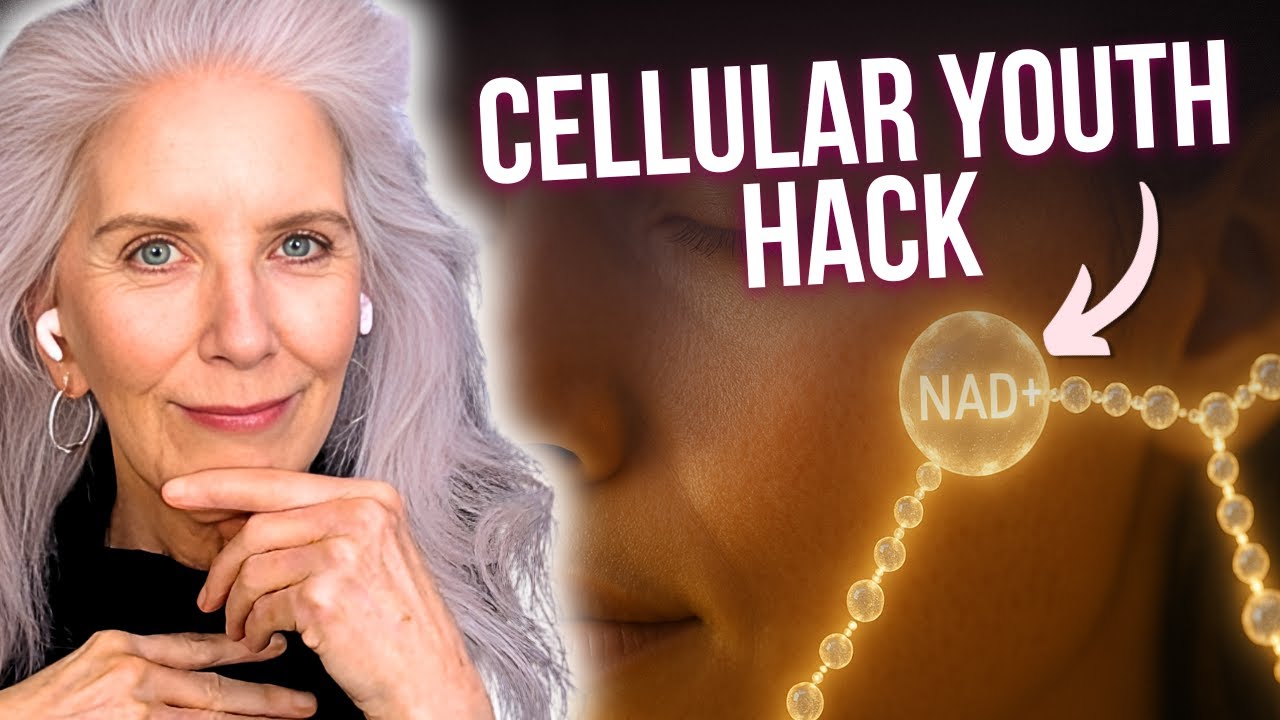
NAD+ (nicotinamide adenine dinucleotide, say that three times fast) is a molecule your cells rely on to make energy and repair DNA. When you're young, you've got plenty of it. By middle age, your levels can drop by half. That decline shows up as more inflammation, slower healing, and yes, skin that just doesn't look as fresh.
NAD+ also activates proteins called sirtuins, which help protect your cells and support healthy aging. It's a small molecule doing a big job.
It's more than just a cream
Here's something worth knowing upfront: NAD+ skincare isn't just about slapping on a serum and calling it a day. The best results come from pairing smart products with habits that actually keep your NAD+ levels working in your favor.
Eat for your cells. Foods rich in vitamin B3, like avocado, mushrooms, and many types of fish, give your body the raw materials it needs to make NAD+. Eating whole, minimally processed foods makes a real difference too.
Move your body, rest it well. Exercise naturally boosts NAD+ production and helps keep mitochondria healthy. And sleep? That's when your body does its deepest repair work. Don't skimp on it.
Play with your meal timing. You don't have to go extreme, but intermittent fasting or even just not eating late at night can help your body shift into repair mode. Small, consistent tweaks often work better than dramatic overhauls.

Want to go deeper? There are options.
If you're curious about more direct support, look for supplements labeled NR (nicotinamide riboside) or NMN (nicotinamide mononucleotide). Both can help raise NAD+ levels in the body. Red light therapy is another popular option for mitochondrial health, and some people explore IV therapies. Just make sure you're working with trained professionals and trustworthy sources, not every product or clinic delivers the same quality.
Where topical products come in
A good NAD+ skincare product won't replace sleep or a decent diet, but it absolutely has a role to play. Topical formulas designed with cellular repair in mind can help calm inflammation, strengthen your skin barrier, and support the skin's natural recovery process.
If you're looking for something gentle and research-minded, Skin Diva Labs makes a BioBarrier Repair System and other NAD+ skincare products focused on barrier repair and clean, non-toxic ingredients. Fragrance-free, vegan, and microbiome-friendly, exactly what sensitive or stressed skin tends to respond well to.
A simple daily rhythm
You don't need a complicated 12-step routine. Here's a relaxed framework that works:
- Morning: A gentle cleanser and a barrier-repair serum that supports NAD+ pathways
- Daytime: Broad-spectrum SPF and good hydration (seriously, drink the water)
- Evening: A nourishing treatment focused on repair, followed by 7–9 hours of sleep
- Weekly: A red light session or some movement to give your mitochondria a boost
One thing to keep in mind
Not every supplement or device is created equal, and marketing claims can get pretty wild out there. Stick to products with real research behind them and honest reviews. And if you're on any medications or managing a health condition, loop in your doctor before adding new supplements.
FAQ
Can NAD+ supplements improve my skin?
Supplements like NR or NMN may support cellular repair and energy. That can show up as better skin tone, less inflammation, and more bounce over time. Results vary person to person and are stronger when combined with good sleep, diet, and topical NAD+ skincare.
Is NAD+ skincare safe for sensitive skin?
Many NAD+ focused products are created to be gentle. Look for fragrance-free and non-toxic labels. Patch test any new product and stop if you see irritation. Skin Diva Labs offers barrier-focused formulations designed for sensitive and recovering skin.
Which foods raise NAD+ naturally?
Foods high in vitamin B3 help, such as avocado, mushrooms, and some fish. Eating whole, clean foods and avoiding excess toxins helps your body use NAD+ better.
How soon will I see changes?
Small improvements in energy or skin hydration can appear in weeks. Stronger repair, fewer lines, or shifts in inflammation usually take several weeks to months with consistent care.
Final thoughts
NAD+ skincare is an exciting, practical way to support cellular repair and energy. It works best when combined with sleep, movement, clean nutrition, and gentle topical care. If you want products made for barrier repair and clean formulas, visit skindivalabs.com and explore options that match your needs.
Curious about a simple start? Try one habit this week; more sleep, a daily walk, or a B3 rich meal, and notice how your skin and energy begin to respond.
Free Skin Diva 101 Guide |
|
Discover the New 5-Minute Reset for Firmer, Smoother-Looking Skin |
| Get My Free Guide Now |


