
How to Know If Your Skin Barrier Is Damaged: 7 Signs to Look For
Written by Nancy ReaganYour skin has been talking to you for weeks, maybe longer. The tight feeling after you wash your face. The way your favorite moisturizer suddenly stings. The flaky patches that appeared out of nowhere. Before you buy another product to fix it, take a breath.
The fastest path to calmer skin is learning how to know if your skin barrier is damaged, because the answer changes everything: which products to keep, which ones to drop, and how long to give any routine before you judge it.
You do not need a magnifying mirror or a dermatology degree to read the signs. You need to know what your skin looks and feels like when its protective layer is struggling, and what that layer does while it works quietly in the background. The clearest signals are right there on your face (I like to say, before your very eyes), and they are easier to spot than you might think.
What Does the Skin Barrier Actually Do?
Your skin barrier is often described as a protective armor. It is the outermost layer of skin that faces the world all day, every day. That armor defends against environmental stressors like pollution and harmful bacteria (germs), while doing a second job that matters just as much: holding moisture inside your skin.
When the barrier is healthy, skin feels comfortable, balanced, and resilient. Products apply smoothly, and your face does not complain. When the barrier is damaged, everything shifts. Irritation, dryness, and breakouts follow, and the products that used to soothe may suddenly aggravate.
How to Know If Your Skin Barrier Is Damaged
Aestheticians, dermatologists, and skin care sources point to a consistent set of signs when the barrier is compromised. Very few experience all of them. Most notice a handful, and the exact combination is unique only to you and to your skin. If several of these patterns sound familiar, your barrier is probably the source of the trouble.
1. Dryness and Tightness That Will Not Quit
Persistent dryness and tightness are the most common early warnings. This is not the brief pull you feel after a deep cleanse that disappears once you apply moisturizer. This is the kind of dryness that lingers, even after moisturizing. Your skin can feel dry, scaly, tight, or simply unable to hold on to any hydration you give it.
2. Redness and Increased Sensitivity
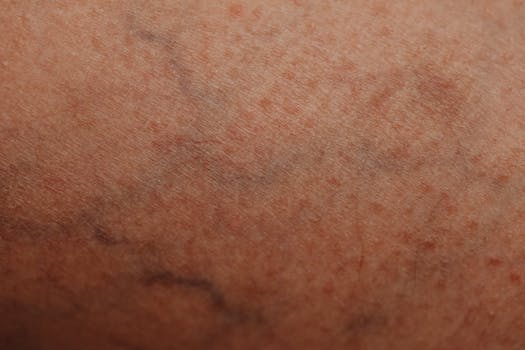
Redness is a loud signal that something is off. A damaged barrier often looks blotchy, uneven, or flushed in patches across the cheeks, nose, or chin. Along with that redness comes increased sensitivity. Products that felt gentle last month may now leave your skin looking red and irritated, and your face can react to things it once ignored.
3. Stinging or Burning When You Apply Products
If your moisturizer, serum, or sunscreen makes your skin sting or burn, listen to it. Stinging is one of the most direct signs of a damaged barrier, because a healthy barrier is supposed to buffer what you put on your skin. When that buffer weakens, ingredients that used to feel fine can trigger a burning reaction.
4. Flakiness and Rough Texture
Flaking, scaling, and rough texture belong on the same list. Your skin may feel like sandpaper in certain spots, or you may notice visible flakes that do not go away. A compromised barrier cannot shed and renew itself the way it should, which leaves behind a rougher, less even surface.
5. Itchiness and General Discomfort
An itchy face is easy to dismiss, but itchiness is a documented sign of a damaged skin barrier. When the barrier is struggling, your skin may tingle, crawl, or feel generally uncomfortable without a clear allergy trigger. If you keep wanting to scratch your face, that discomfort is a clue worth following.
6. Breakouts and Acne
Acne might be the most confusing sign, especially if you are past the age where breakouts used to happen regularly. Yet acne appears on dermatology lists as a sign of a damaged skin barrier. When the protective layer weakens, inflammation can rise, and pores can become reactive. That is why some women suddenly develop breakouts alongside dryness and redness, especially around the jawline.
7. Dullness, Blotchiness, and Visible Lines
A compromised barrier can also change how light hits your face. Documented signs include blotchiness, discoloration, dullness, and an increase in visible lines and wrinkles. When skin is dehydrated at the surface, it loses bounce and glow. If your complexion looks flat and tired no matter how much rest you have had, the barrier may be the reason.

How to Self-Check Your Skin Barrier at Home
You can check your own skin without a single piece of equipment. Give yourself ten quiet minutes and walk through these steps honestly.
- Cleanse with a very gentle cleanser and note how your skin feels in the minutes after rinsing. Tightness is a warning sign.
- Apply your usual moisturizer and observe the immediate reaction. Stinging, burning, or flushing points to a damaged barrier.
- Examine your face in natural light rather than dim bathroom lighting. Look for red patches, blotchiness, flakes, and rough areas.
- Pay attention to how your skin reacts to products you have used for months. Sudden irritation from old favorites is a common signal.
- Track itchiness during the day. If your skin feels tight, itchy, or uncomfortable even when you are not focused on it, write that down.
Repeating this check once a week helps you see patterns before your skin reaches a crisis point. You will start to know what your skin feels like when the barrier is strong, and that baseline makes it much easier to spot the earliest signs of damage.

Why Guessing at the Counter Does Not Work
It is tempting to walk into a store, let someone analyze your skin, and walk out with a fresh routine. But the person across the counter cannot feel the tightness or the sting. They cannot know how your skin reacted on Tuesday afternoon at three o'clock. Only you can connect those dots. Women over 40 face an extra layer of confusion, because many barrier signs are easy to dismiss as ordinary aging. Yet a damaged barrier can make skin look older than it should. Repairing it will not stop natural aging, but it can restore the comfort, bounce, and glow that dehydration takes away.
Repair Starts With Reading Your Own Skin
That is where self-diagnosis becomes genuinely empowering. When you know how to know if your skin barrier is damaged, you can approach any routine with clarity instead of hope. You can also tell whether a product is working, because you are no longer guessing about your starting point.
Nancy Reagan, the aesthetician behind Skin Diva Labs, has spent decades working with women who were told their skin was fine when it clearly was not. Her barrier-repair course was built around a simple idea: teach women to read their own skin first and choose products second. The BioBarrier Repair System she created pairs science-backed actives like NAD+, peptides, and hyaluronic acid in vegan, cruelty-free formulas designed for sensitive and reactive skin. Her approach has always been the same: no needles, no nonsense, just an honest conversation about what your face is telling you.
If a few of these signs sounded familiar, your next step is not another mystery product. It is learning what your own skin has been trying to say, then giving it the steady, simple support it needs. The answers are already written on your face. You just need to know how to read them.
Learn what no one at the skincare counter will tell you. Discover how to rebuild and repair your skin for life.
Get instant access — $27Frequently Asked Questions
Can a damaged skin barrier cause acne?
Yes. Acne appears on dermatology lists as one of the possible signs of a damaged skin barrier. When the barrier loses its protective strength, skin can become inflamed and reactive, and breakouts may appear even if you have not dealt with acne in years. If you are breaking out while also living with tightness, redness, or flaking, the acne may be part of a larger barrier issue rather than a separate problem.
Why does my skin sting when I apply moisturizer?
Stinging or burning when you apply products is one of the clearest signs of a damaged skin barrier. A healthy barrier does the quiet job of buffering the ingredients in your moisturizer. When that barrier is compromised, the same ingredients can trigger a stinging response that you did not feel before. If your usual moisturizer now makes your face burn, treat that reaction as useful information instead of ignoring it.
Why is my face still dry after moisturizing?
Persistent dryness even after moisturizing is a documented sign of a damaged skin barrier. Healthy skin holds water inside thanks to that protective outer layer. When the layer is damaged, it struggles to keep moisture in, so the dry and tight feeling returns quickly after you apply your moisturizer. Adding more product is not the answer until the barrier can retain the moisture it receives.
When should I see a professional about barrier issues?
You can assess most everyday signs at home with the checklist in this article. If you notice significant inflammation, signs of a skin infection, or pain that does not improve, a dermatologist is the right next step, because infection is listed among the possible signs of barrier damage. For daily tightness, redness, stinging, flaking, and unexpected breakouts, learning to read your own skin is a strong first move.


